Why the Best Developments Don't Feel Developed
You can usually tell within the first thirty seconds whether a place was built for people... or built for spreadsheets.
Most developments today are designed around efficiency. Maximize the number of units. Maximize parking. Maximize square footage. Flatten the terrain, clear the trees, repeat the same floor plan over and over, and move on to the next project.
From a pure business perspective, I understand why people do it.
But somewhere along the way, a lot of developments stopped feeling human.
You drive into them and immediately know exactly what they are. Every tree is gone. Every structure is lined up perfectly. Every lot feels engineered down to the inch.
Efficient? Sure.
Memorable? Not really.
The best developments don't feel developed.
They feel like they belong where they are.
And honestly, I think there's an interesting analogy there with filmmaking.
The best movie directors usually aren't the ones screaming for attention in every scene. The best directors make the audience forget they exist. They're not trying to force their signature onto every moment. They're telling a story as part of an ensemble, where the sum of the whole becomes greater than the individual parts.
Good development works the same way.
It's not about ego. It's not about forcing the land into your vision at all costs. It's about leadership. It's about restraint. It's about knowing when to step back and let the property become what it naturally wants to become.
That's one of the biggest ideas behind Victory Springs.
We don't want people showing up and feeling like they entered a manufactured environment. We want them to feel like the property was carefully uncovered from the land itself.
That mindset changes everything.
It changes how you cut roads. It changes how you place units. It changes whether you preserve a stand of mature trees or remove them because it's easier for construction equipment.
It even changes how people emotionally respond when they arrive.
Because people can feel when a place has been overbuilt.
And honestly, I think travelers are getting tired of it.
They're tired of copy-and-paste hospitality. Tired of fake "luxury" that feels interchangeable with every other place they've stayed.
What people remember are places with personality. Places where terrain matters. Places where the architecture works with the environment instead of overpowering it.
That's harder to do.
Especially in the Ozarks.
Anybody who has developed around Table Rock Lake knows the terrain isn't always cooperative. There's elevation, rock, trees, water movement, and topography that constantly force decisions.
The easiest thing to do is wipe the slate clean.
But when you do that, you usually erase the very thing people came there for in the first place.
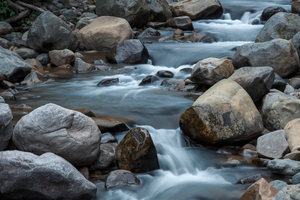
That's why we've spent so much time walking the land at Victory Springs instead of simply designing from paper. We've surveyed trees we want to preserve. We've worked with the legendary Bill Yung because he understands how to use terrain rather than erase it. Wet weather creeks become opportunities. Elevation changes become experiences.
That kind of planning takes more effort up front.
But over time, it creates something that feels different.
And I think people are craving that difference right now.
Not bigger.
Not louder.
More authentic.
When somebody sits on a deck and watch fog roll through the trees in the morning, they're not thinking about zoning density or engineering plans. They're feeling something.
That emotional response matters more than most developers realize.
Because hospitality is shifting.
The future isn't just about where people sleep.
It's about how a place makes them feel while they're there.
And the developments that understand that are going to stand out more and more over the next decade.
Final thought: Anyone can clear land and build units.
Creating a place people emotionally connect with is a completely different skill set.
And honestly, I think the best developments are the ones that still feel a little wild when you arrive.
Curious where hospitality, experiential travel, and STR investing are heading next?
I spend time studying emerging trends, investor behavior, hospitality systems, and experiential real estate development.
If you would like to continue the conversation, you can schedule time with me directly.